
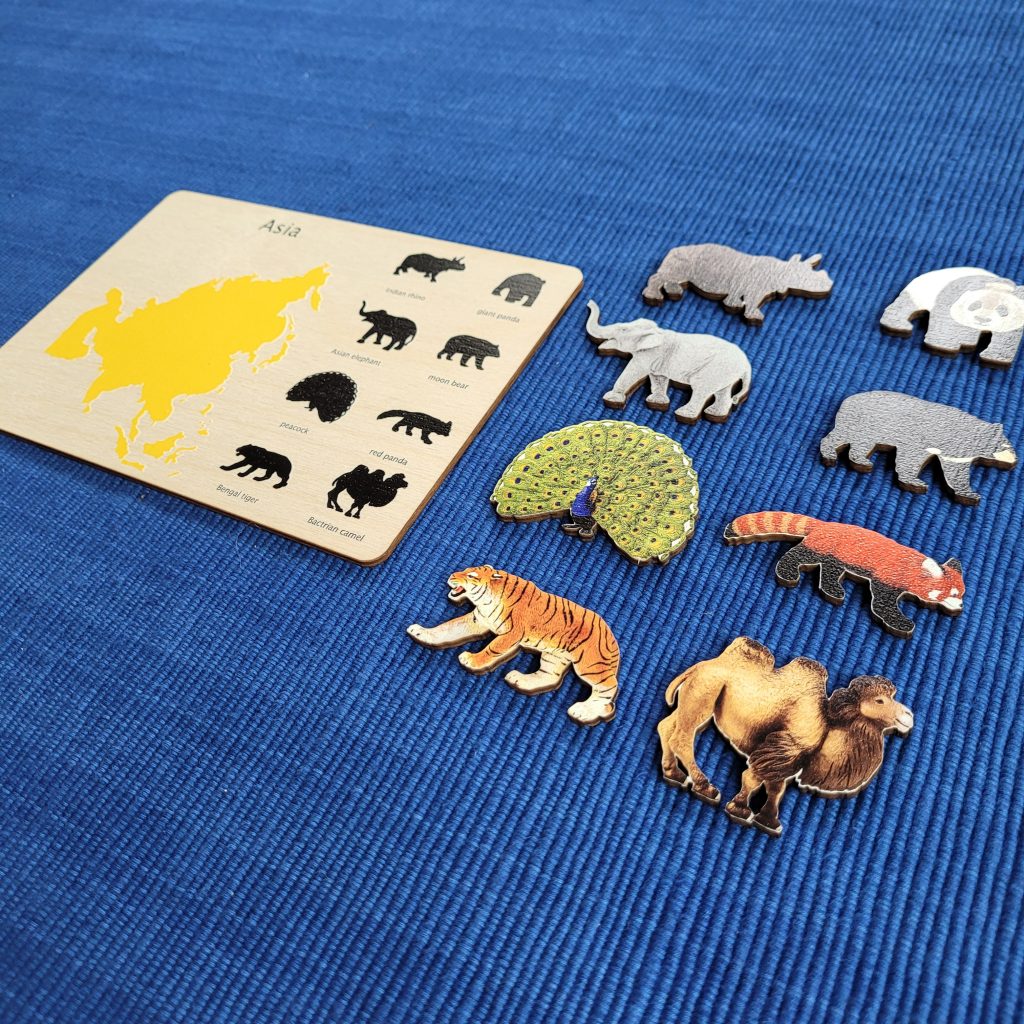
Our new material Animals of the Continents is inspired by the Montessori geography curriculum. It can be used to supplement the Puzzle Map of the World or as an independent material. The set is comprised of seven wooden large cards representing all seven Montessori color-coded continents, eight cutouts for each continent (56 cutouts), and a compartmentalized wooden box for storage.
Tag Archives: Montessori Curriculum Materials
10
Mar
Mar
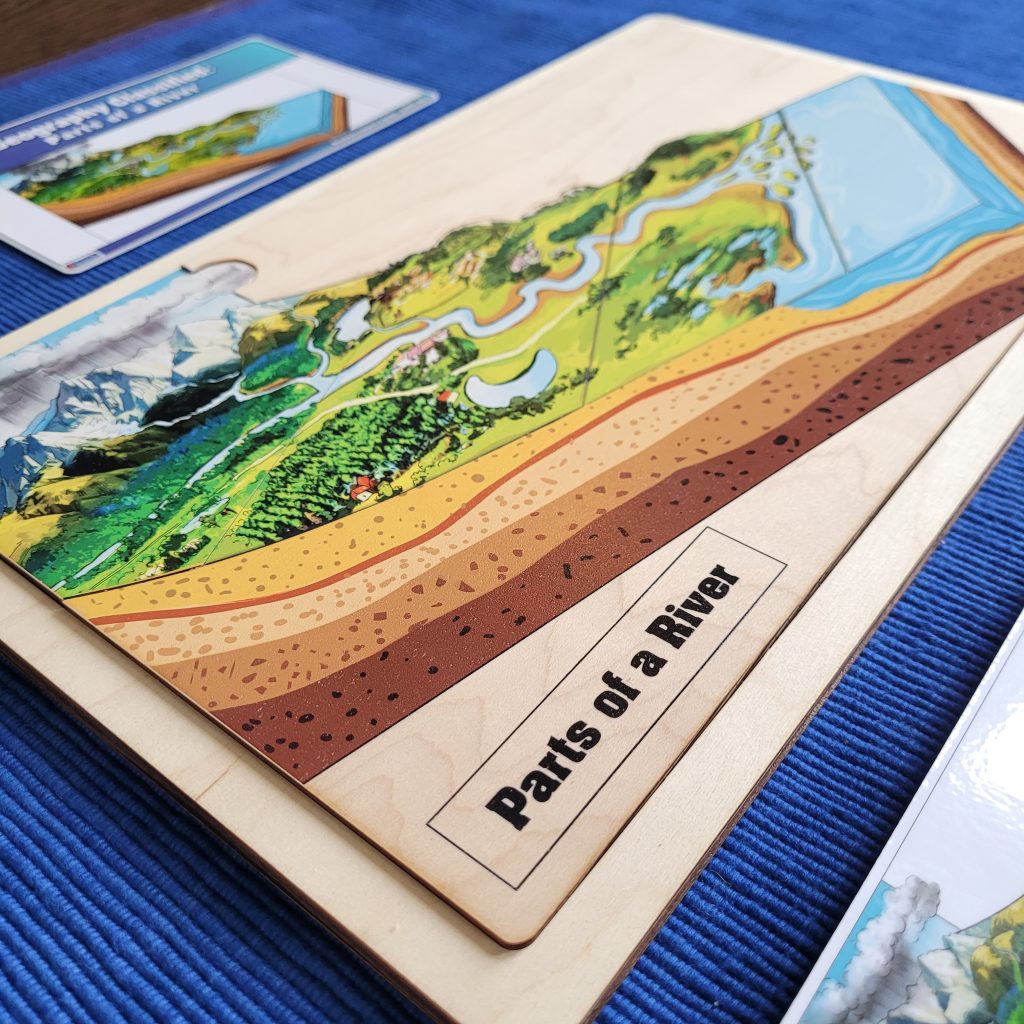
Children will benefit significantly from learning about the parts of a river. Our Parts of a River material encompasses many other natural processes studied in the Montessori Geography curriculum: types of clouds, the water cycle, glaciers and glacial landforms, and land and water forms. Water found on land originates from snow and rain. The precipitation […]
16
Feb
Feb
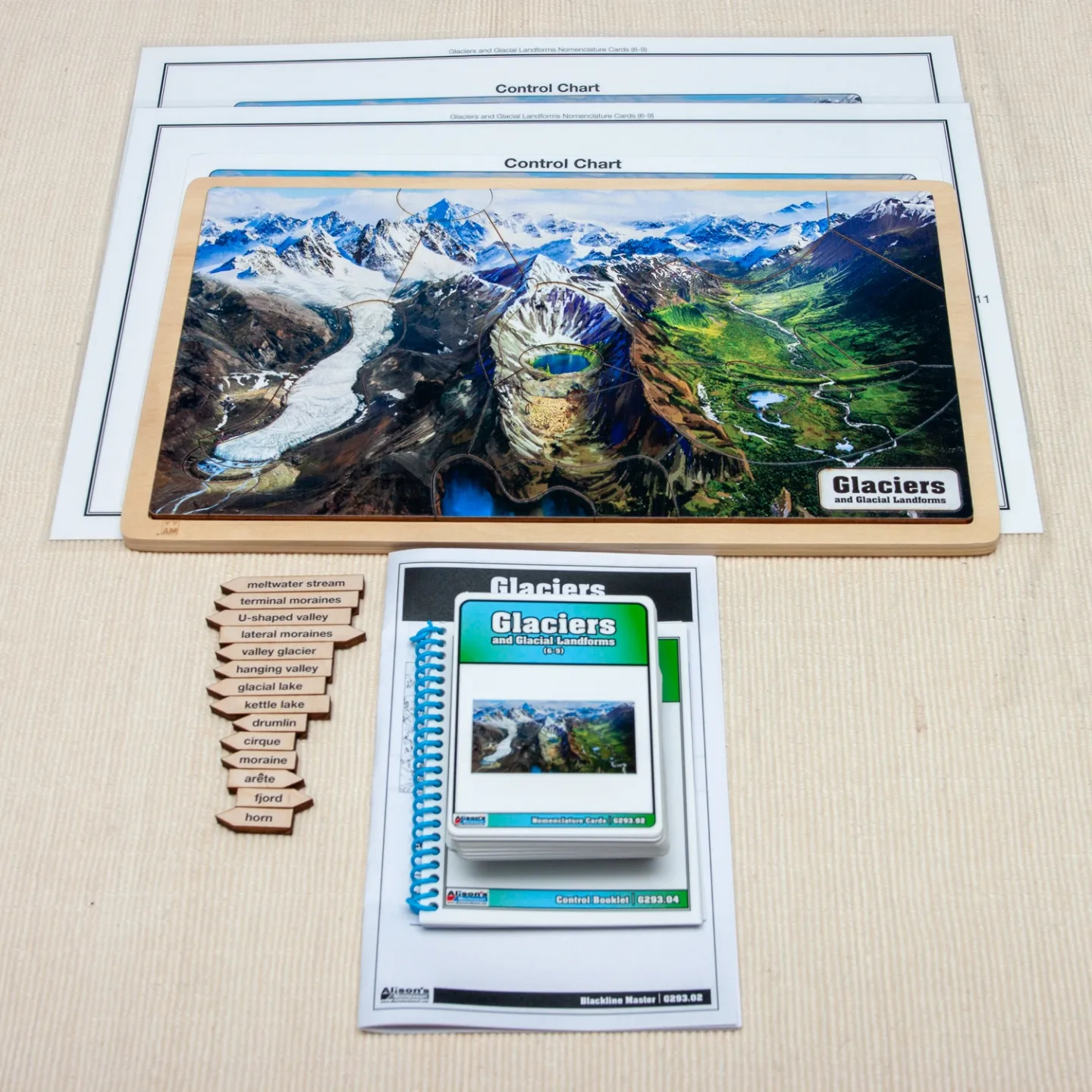
Geography Glaciers can be found on nearly every continent. Some of the most famous glaciers are the Lambert Glacier in Antarctica, the Perito Moreno Glacier in Argentina, the Margerie Glacier in Alaska, the Furtwängler Glacier in Tanzania, the Fox and Franz Josef Glaciers in New Zealand, the Pasterze Glacier in Austria, and the Biafo Glacier […]

18
Jan
Jan
Mathematics 6-12 The Montessori Algebraic Peg Board is an excellent material to be used in the elementary years. It consists of a square wooden board containing 900 holes. The board is accompanied by hierarchical colored pegs and metal bowls with which learners are familiar. In some exercises, the colors won’t matter, whereas; in other exercises, […]
06
Sep
Sep
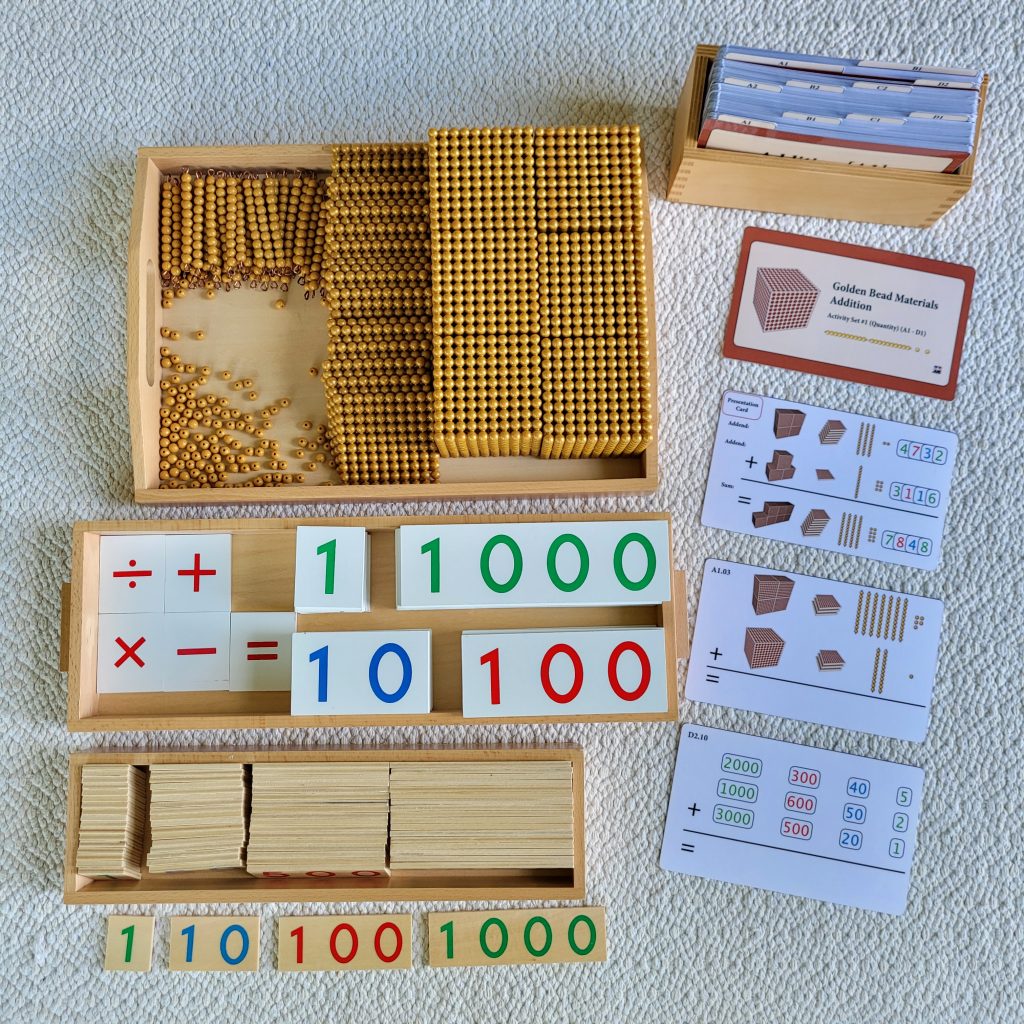
Montessori math materials are perhaps the most compelling materials that grant access to complex math in early childhood. The Golden Bead material is the quintessential math material since it makes it possible for children as young as 4.5 to work within the decimal system (base 10 system). Children go through a series of presentations that […]
18
Aug
Aug
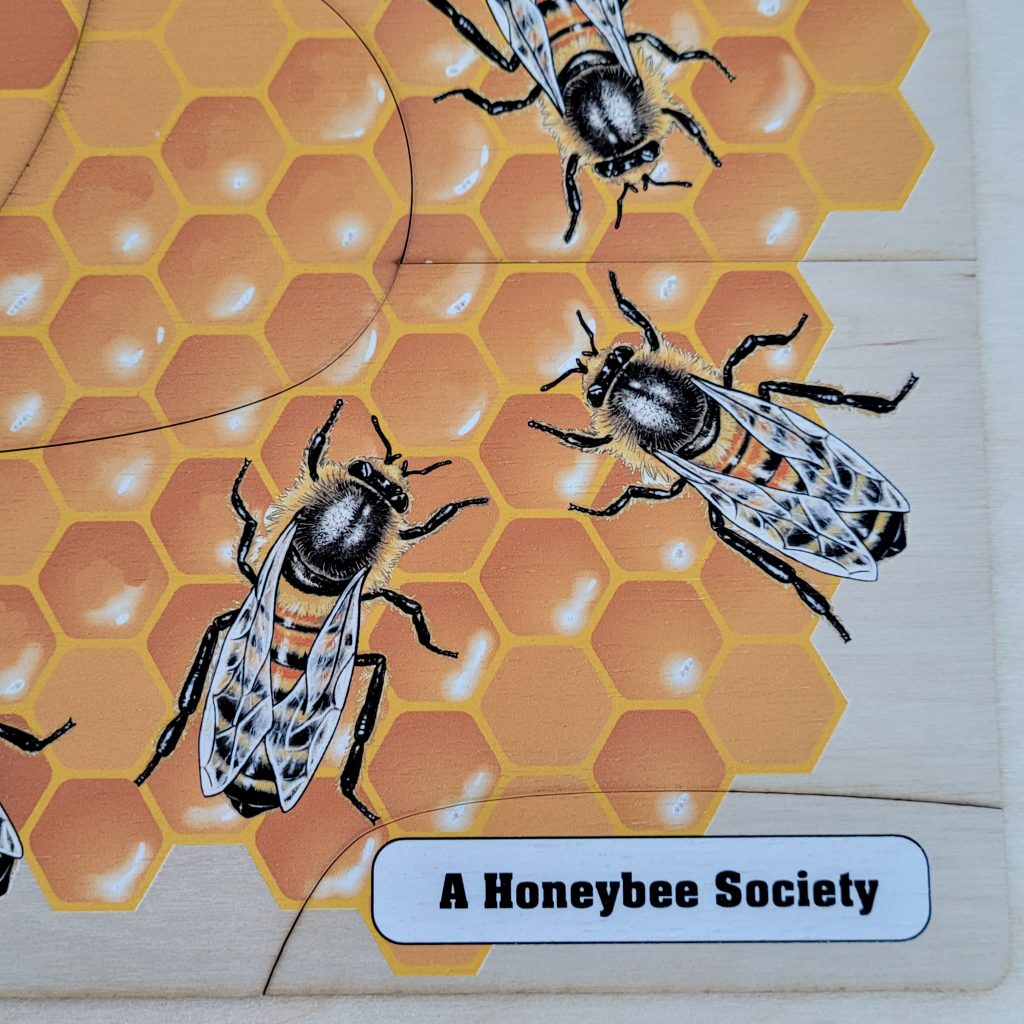
Have you heard of honeybee societies? Honeybees have developed one of the most complex communal colonies in the animal kingdom! Introduction about Honeybees Honeybees live on every continent, except Antarctica. The reason is, they feed on nectar and pollen from flowers. Bees have a vital role in our ecosystems. We enjoy fruits, vegetables, and delicious […]
04
Jul
Jul
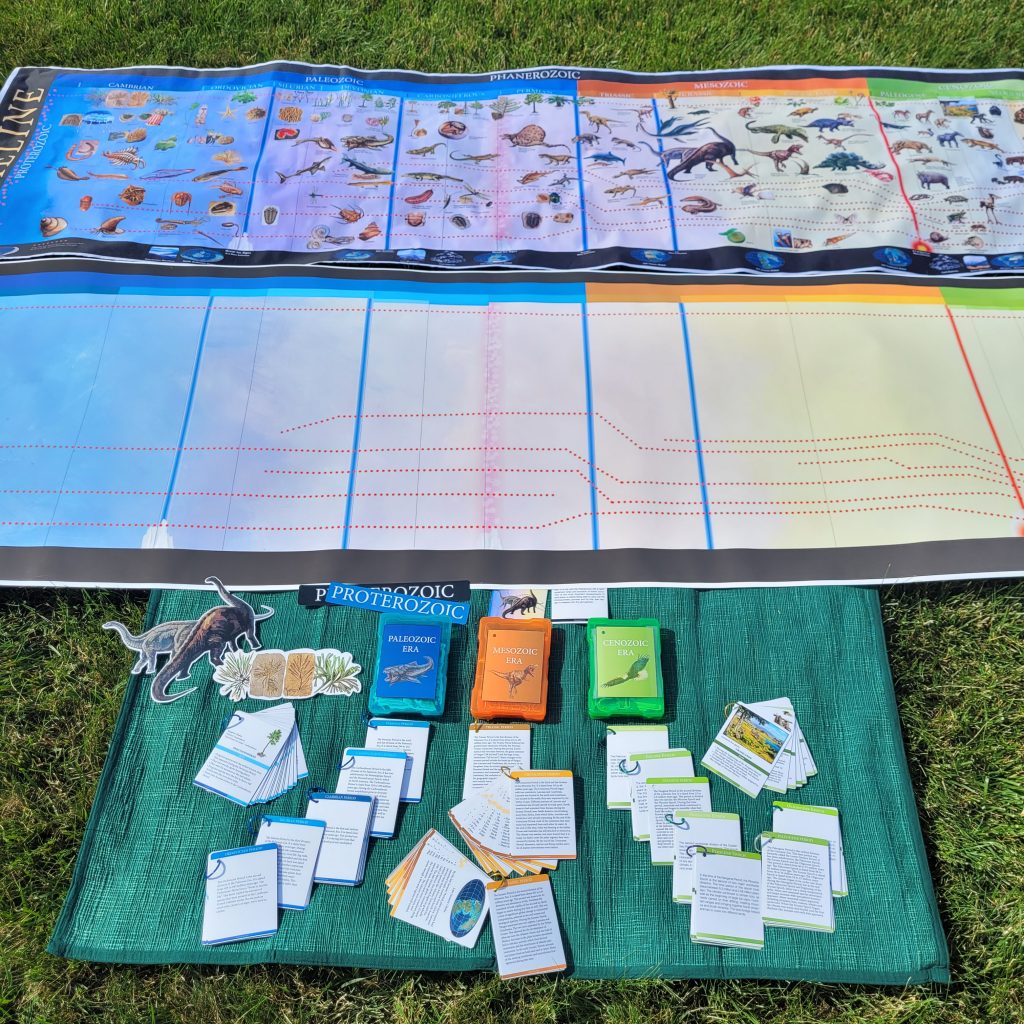
Early in the Fall, Montessori elementary learners are invited to discover how the Universe developed, which begins the Montessori History Curriculum. A series of Five Great Stories along with Impressionistic Charts, and experiments are introduced. The First Great Story, developed by Dr. Montessori, counts the creation of the Universe, including the Solar System, and the […]
23
Jun
Jun
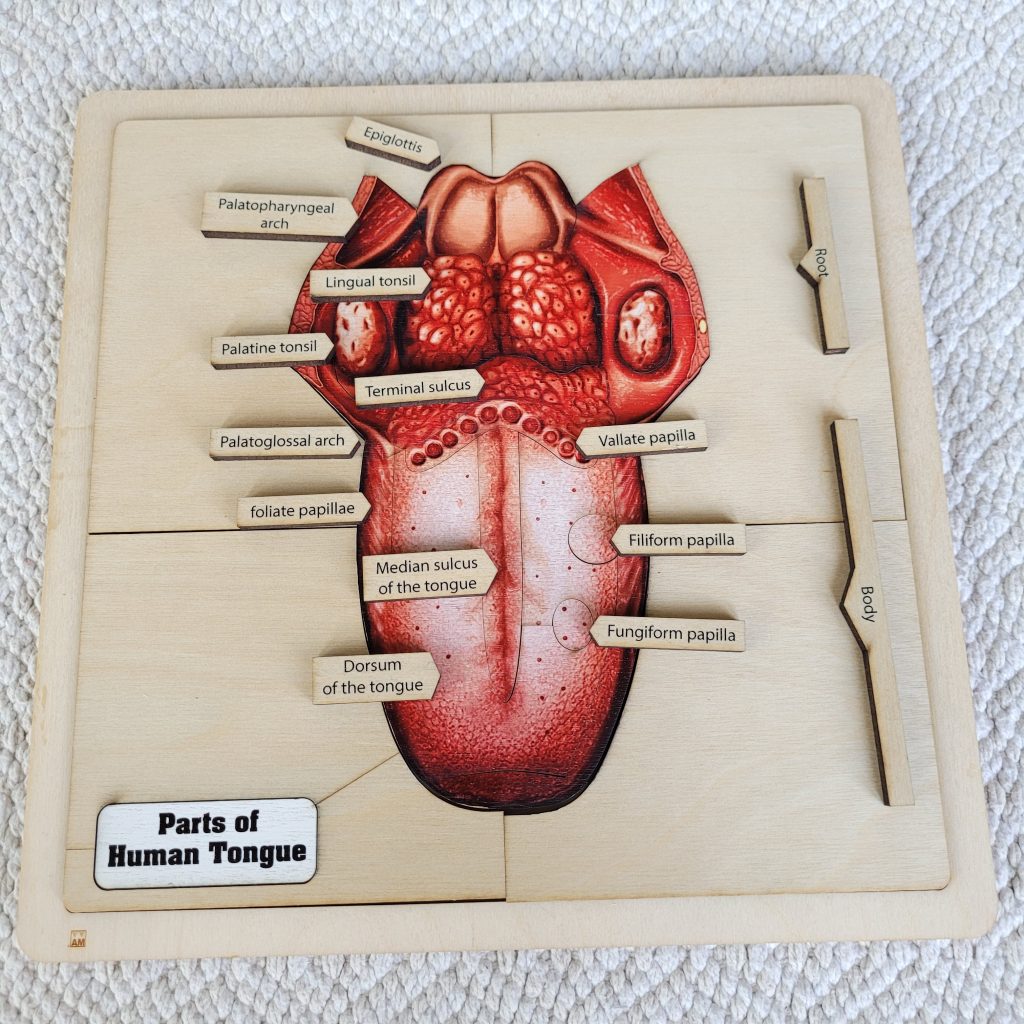
The human tongue is an important organ; its function is more than tasting. The tongue is responsible for mastication, deglutition, taste, and speech. The tongue is a muscular organ that can be elongated, rolled, bent, and twisted. It is made of more than 10,000 taste buds that are capable for identifying all 5 different tastes: […]
16
Jun
Jun
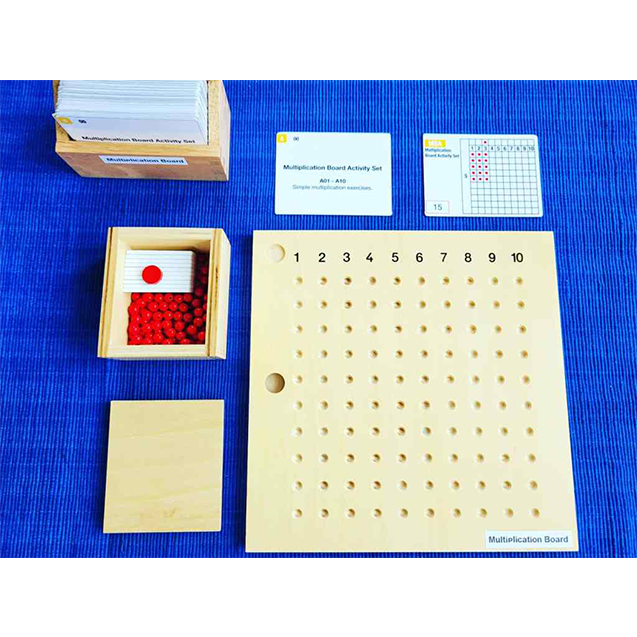
Around age 5-6, children in Montessori programs use an array of materials to memorize multiplication facts. They learn about multiplication by concretely experiencing the process. They begin to realize that a multiplication is simply an addition of the same number. One of the materials used for memorization of multiplication facts is the Multiplication Bead Board. […]
04
Jun
Jun
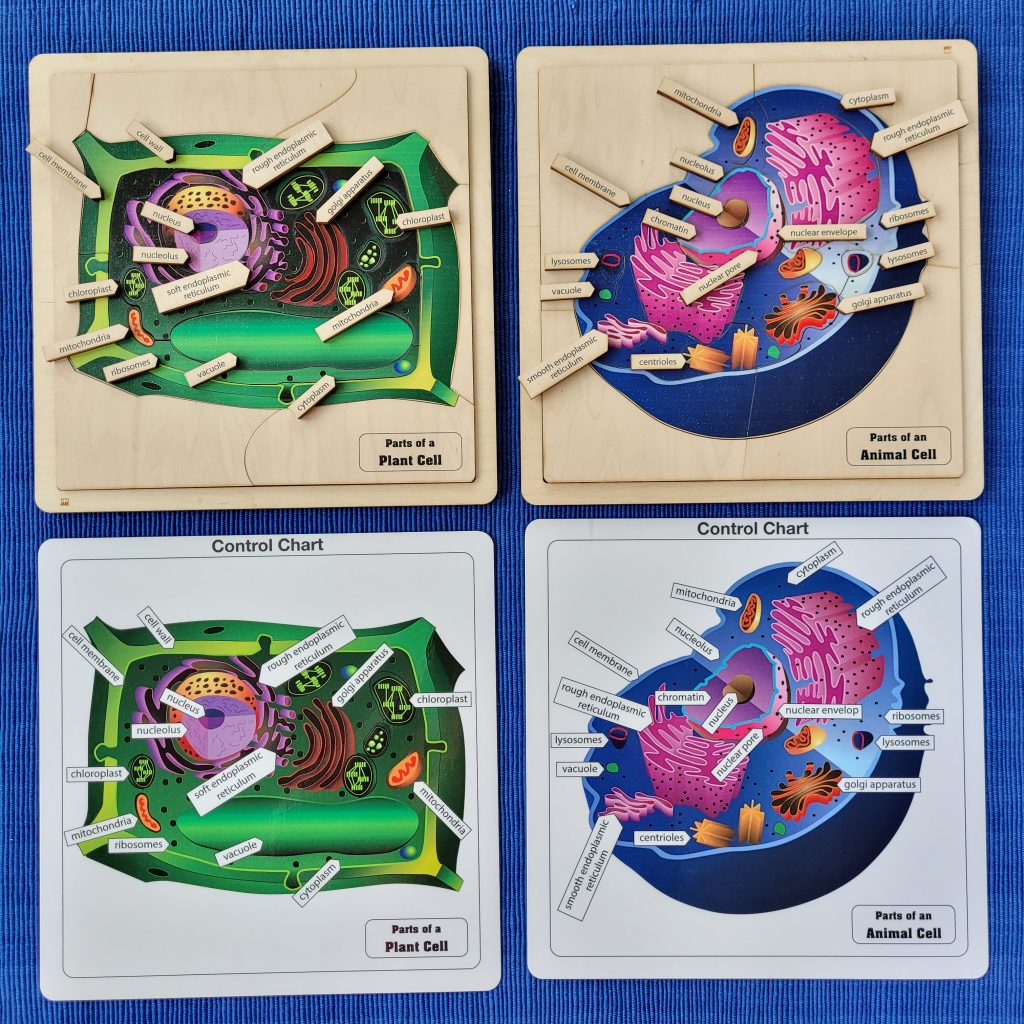
Biology, 6-12 Why should children learn about cells? Cells are the building blocks of any living organism. A cell contains all the elements essential for life, and serve as a unit of classification. Cells can be specialized, and have specific functions. With the invention of the microscope, we were able to redefine biological classification based […]